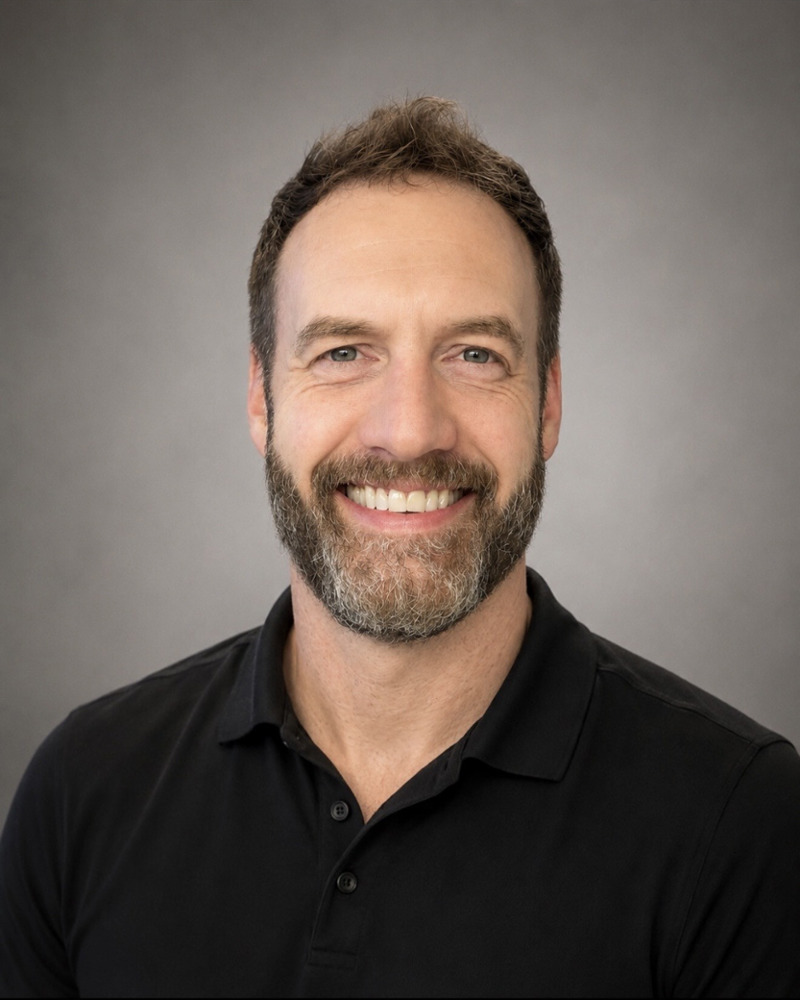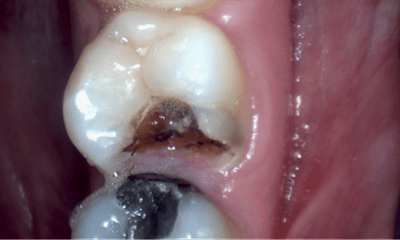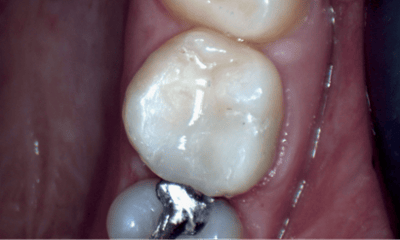
 Cavities and minor tooth damage don't have to lead to bigger dental problems. At Riverfront Dental, Dr. Scott Howe uses dental fillings in Salem, OR, to restore teeth affected by decay, chips, and small fractures. A filling repairs the damaged area, protects your tooth from further decay, and allows you to chew comfortably again.
What to Expect During a Dental Filling
 Getting a dental filling is a straightforward procedure that typically takes less than an hour. At Riverfront Dental, Dr. Scott Howe and our team make your comfort our priority, and we explain each step of the process so you know exactly what to expect.
Gentle Numbing for Your Comfort
Before treatment begins, we'll numb the area around the affected tooth with a local anesthetic. This helps ensure you stay comfortable throughout the procedure. If you have any concerns about dental treatment, please let us know. We'll do everything we can to help you feel at ease.
Removing the Decayed or Damaged Tooth Structure
Once the tooth is numb, Dr. Howe carefully removes the decayed or damaged portion of the tooth while preserving as much healthy tooth structure as possible. This conservative approach helps maintain the strength of your natural tooth.
Cleaning and Preparing the Tooth
After your dentist removes the decay, he thoroughly cleans the tooth to eliminate bacteria and debris. Proper preparation helps create a strong, long-lasting bond between the filling material and your natural tooth.
Placing and Shaping the Filling
Dr. Howe places the filling material and carefully shapes it to match the natural contours of your tooth. Composite fillings are color-matched to blend seamlessly with your smile, while amalgam fillings provide a durable option for areas that experience heavy chewing forces.
Checking Your Bite and Polishing the Restoration
Before your appointment is complete, Dr. Howe checks your bite to make sure the filling feels comfortable when you chew. We make any necessary adjustments, and we polish the filling for a smooth, natural finish. Most patients can return to their normal daily activities immediately after their appointment.